
CBD vs THC: What’s the Right Balance for You?
This is a collaborative post
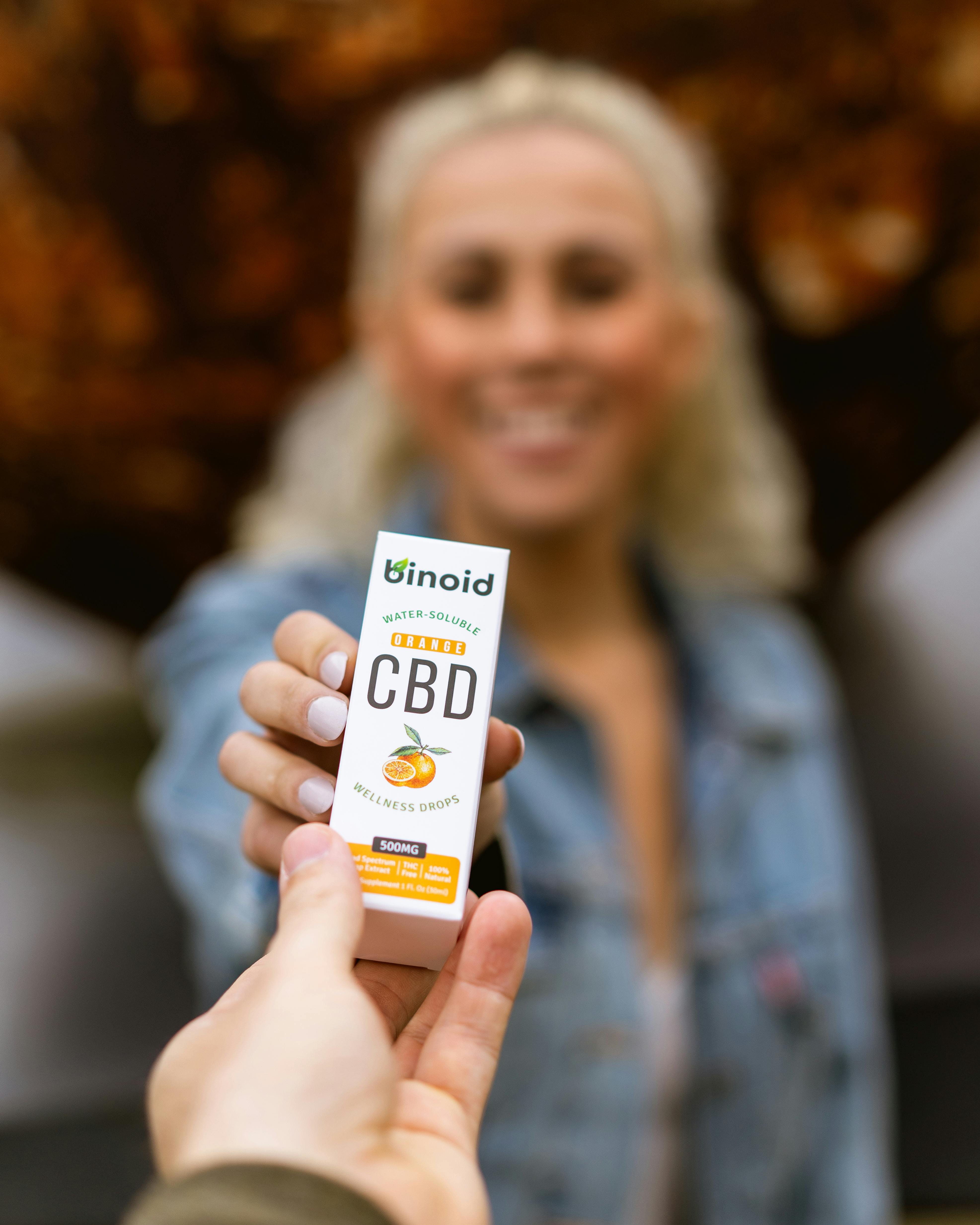
In the last few years, attitudes towards cannabis have really changed. Something previously taboo is now being discussed in GP practices and wellness websites and even discussed by families over dinner. For those looking to try alternative forms of wellness, medical cannabis can be a confusing world to navigate—particularly in how it distinguishes between CBD and THC.
Whether you’re new to trying natural treatments or you’ve already dipped your toe in oils, gummies or even prescription treatments, this guide will break the fundamentals down and get you considering what may be right for you.
What Are CBD and THC?
Start with the fundamentals. CBD (cannabidiol) and THC (tetrahydrocannabinol) are two naturally occurring chemicals in the cannabis plant. Although derived from one plant, they have distinct effects on the body. THC is the chemical best known for causing the sensation of feeling “high.” It possesses psychoactive qualities that can change mood and perception. CBD, which is the opposite of THC in terms of intoxicating effects, is now a popular addition to wellness practices and is frequently utilised for calming or balancing effects. What’s important to note is that though these two can complement each other well, they don’t always yield the same effects.
Why Balance Matters
The proportions of CBD to THC can significantly affect the user’s feeling and functionality of a product. Some individuals like to use a CBD-rich product as it produces a smoother, clearer-headed experience. Others prefer that a small amount of THC be included as it gives the experience greater depth and makes them feel more relaxed.
It is all about attuning yourself to what your body reacts to. Just as there are individuals who adore strong coffee and others who prefer herbal tea, the principle is the same when it comes to cannabis products. It is individualised in its effects and may require some experimenting to get it right.
The Legal Stuff in the UK
In the UK, the law surrounding cannabis is somewhat confusing. It is still illegal to use cannabis recreationally, yet cannabis products that have a trace of THC (below 0.2%) can be sold as supplements. All that contains a tremendous amount of THC is obtainable on prescription and generally under special conditions.
Due to this, medical cannabis UK is increasingly a subject of interest. As individuals look towards alternative means of controlling ongoing concerns or enhancing overall health, the availability and knowledge of medical cannabis began to expand.
How to Know What You’re Taking
When you look at a cannabis product, you might see ratios of “10:1” or “1:1.” What this means is the proportion of CBD to THC. So, the product that is 10:1 will have ten units of CBD per one unit of THC. As the CBD level increases, the product gets less intense and less intoxicating.
At first, reading labels can be intimidating, but becoming comfortable with these numbers is a valuable precursor to discovering how a product may benefit you. If you have questions, contacting a dispensary or healthcare professional is always beneficial to clarify the specifics.
Discovering Medical Marijuana Strains
Once you begin looking into prescribed options, you’ll probably encounter the term medical cannabis strains, among other things. These are unique cannabis varieties that differ in their chemical composition, mainly in their CBD and THC levels. Some strains are renowned for their uplifting or stimulating effects, while others are generally calming and sedating.
Knowing the various strains and their standard profiles can guide your options. What may be appropriate for one person may not be well-tolerated by your body or lifestyle, so it’s beneficial to find out how various options may suit you. Most patients try a less potent strain and gradually increase as they find what works.
Everyday Products vs. Prescribed Options
There is a significant distinction between what you may get on the high street and what is prescribed in a clinic. CBD oil, capsules and gummies taken over the counter are typically derived from hemp and carry very tiny traces of THC, if any. They are widely available and generally taken as a supplement to overall well-being.
Prescribed medication, in contrast, may allow for a wide variety of THC and CBD blends. These are usually custom-tailored to the individual’s requirements and are administered under medical direction. It is a more regulated path and can provide greater accuracy for those needing something more than what is offered in shops.
What to Consider Before Trying
Before exploring the cannabis product universe, getting a clear idea of what you are looking for is essential. Consider what you wish to gain and what experience you feel comfortable with. If you are taking other medications or have health issues, speaking to a doctor or health professional is advisable to ensure that everything will interact safely.
Being well-informed and intentional significantly impacts how you address your situation appropriately. Each person’s body is unique and finding what feels appropriate usually takes a while.
Finding Your Balance
There is no one-size-fits-all solution when it comes to CBD or THC. What you need in balance will depend on your objectives, how well your body reacts and how comfortable you are experimenting with various options. Some find that a CBD-rich oil suits them for regular use, while others prefer a combination product that contains a little THC.
The better news is that there are now more options than ever and it is okay to experiment and find something that suits you. Be inquisitive, stay well-informed and remember that this is your unique journey.
You May Also Like

3 Essential Tips to Remember When Moving House

Home and Office Security with Fast Keys