
7 Benefits of Installing Scratch Resistant LVT Flooring in a Rental Property
This is a collaborative post
Landlords face constant pressure to balance style, cost, and durability in their rental properties. Flooring often takes the hardest hit, with scratches, moisture, and heavy use leaving surfaces looking worn too quickly. Scratch resistant LVT flooring offers a practical way to keep a property looking attractive while standing up to the demands of daily life.
This type of flooring not only protects against damage but also helps maintain a clean and modern appearance that appeals to tenants. From kitchens and bathrooms to high-traffic living areas, it provides a smart solution that saves time and money while keeping spaces looking fresh.
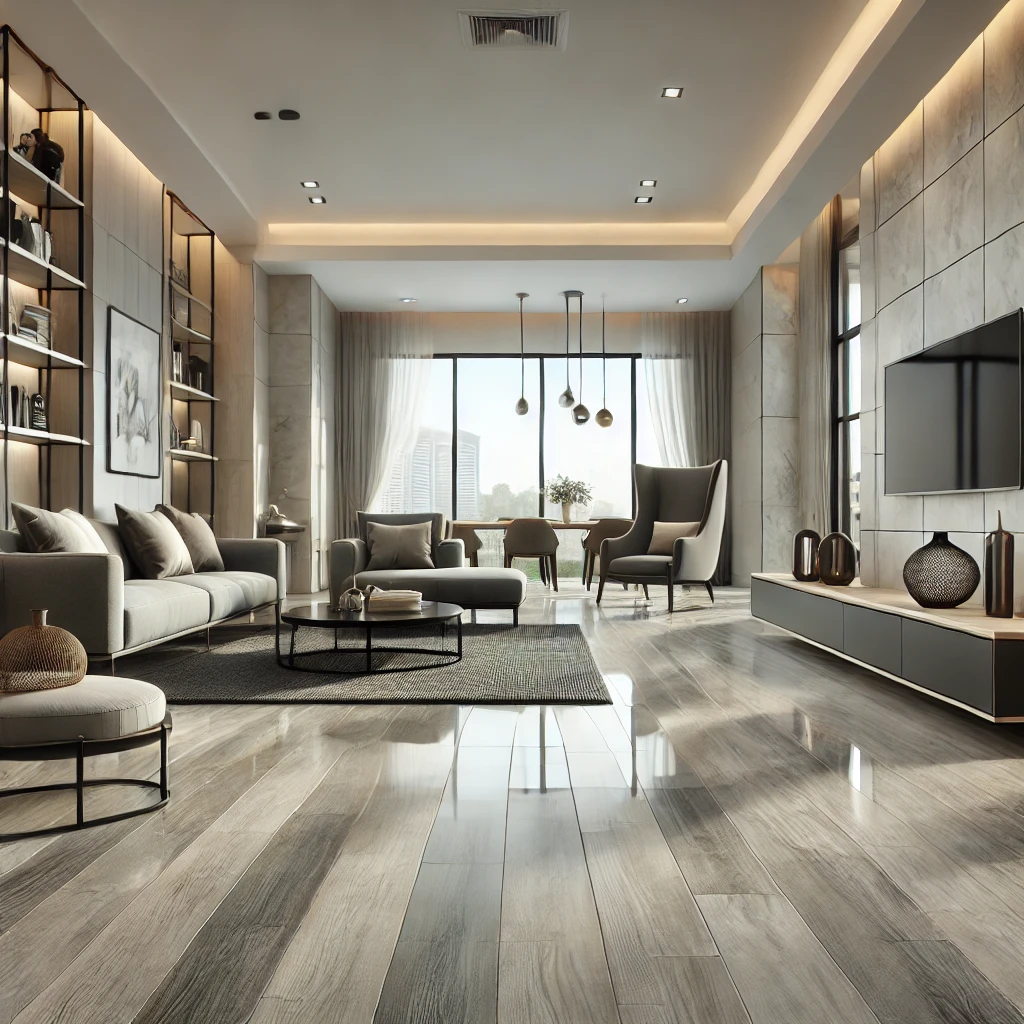
- Exceptional durability against scratches and scuffs
Rental properties often face heavy use, with tenants moving furniture, pets walking across floors, and everyday foot traffic. Floors that mark or scratch easily can appear worn in a short time, making them more difficult to maintain.
Scratch resistant LVT flooring offers strong protection against scuffs and surface damage. Its wear layer helps preserve the appearance of the floor, even in busy areas. This feature reduces the need for early replacement and keeps the property looking presentable for longer periods.
Because it resists marks more effectively than many other options, landlords spend less time and money on repairs. For those considering scratch resistant LVT flooring, it provides a practical balance of style and durability. This makes it a smart choice for rental spaces where longevity and easy upkeep matter.
- Maintains appearance despite heavy foot traffic
Tenants often create high levels of wear in shared spaces, hallways, and living areas. LVT flooring holds up well under these conditions because its protective wear layer resists scratches and scuffs that usually appear over time. This helps the floor retain a clean and uniform look.
In rental properties, durability matters because different tenants may treat the space with varying levels of care. LVT flooring provides a surface that continues to look presentable even after years of regular use. This reduces the need for frequent replacement or repair.
Landlords also benefit from fewer complaints about worn or damaged floors. Since the flooring keeps its appearance despite heavy traffic, properties remain attractive to potential tenants. As a result, it supports both tenant satisfaction and long-term property value.
- Moisture resistance ideal for kitchens and bathrooms
LVT flooring resists water, which makes it a smart choice for kitchens and bathrooms. Spills or splashes do not seep through the surface, so the subfloor stays protected. This feature helps reduce the risk of mould and mildew growth.
Tenants often use these spaces heavily, so durability against moisture matters. Unlike natural wood, LVT does not swell or warp after contact with water. As a result, it maintains its shape and appearance over time.
This water resistance also makes cleaning easier. Everyday spills can be wiped away without leaving stains or damage. For landlords, this means fewer repairs and less maintenance between tenants.
- Cost-effective flooring solution for landlords
Landlords often look for flooring that balances price and durability. Luxury Vinyl Tile (LVT) provides a practical option because it costs less than natural wood or stone but still offers a modern look. This helps landlords reduce upfront expenses while maintaining a clean and appealing space.
In addition to lower installation costs, LVT requires less upkeep compared to carpet or hardwood. Regular sweeping and occasional mopping usually keep it in good condition. This reduces the need for frequent professional cleaning or early replacement.
Tenants value flooring that looks good and is easy to maintain. As a result, properties with LVT may attract more interest and reduce vacancy periods. Over time, this can improve rental income and lower long-term costs for landlords.
Because LVT resists scratches and dents, it often lasts through several tenancies. This durability means landlords spend less on repairs and replacements, which makes it a cost-effective choice.
- Easy to clean and maintain over time
LVT flooring has a smooth surface that does not trap dirt or dust, so tenants can keep it looking tidy with simple sweeping or vacuuming. This makes it practical for rental properties where easy upkeep is important.
Spills can be wiped away quickly without leaving stains, as the surface resists moisture. Therefore, landlords do not need to worry about water damage from everyday accidents in kitchens or bathrooms.
Regular cleaning with mild products is usually enough to keep the floor in good condition. Harsh chemicals are not required, which helps preserve the finish and reduces long-term wear.
Because the flooring resists scratches and scuffs, it maintains its appearance longer with less effort. As a result, landlords save time and money on maintenance while tenants enjoy a floor that stays presentable with minimal care.
- Wide range of natural wood and stone looks
LVT flooring offers a wide variety of designs that replicate the look of natural wood and stone. Tenants can enjoy the appearance of oak, walnut, slate, or marble without the cost or upkeep that real materials demand.
This range of styles allows landlords to match the flooring with different property types. A modern flat may suit a sleek stone effect, while a traditional home may benefit from a warm wood design.
The realistic textures and finishes give each space a more inviting feel. At the same time, the scratch-resistant surface helps the flooring maintain its appearance even with frequent use.
Because of these options, landlords can create a high-quality look that appeals to a broad set of tenants. This flexibility makes LVT flooring a practical choice for rental properties with varied design needs.
- Improves tenant appeal with modern aesthetics
Tenants often look for a home that feels updated and stylish. LVT flooring offers clean lines and a realistic look that can mimic stone, wood, or tile. This gives a property a modern finish without the higher cost of natural materials.
A fresh and contemporary floor can make a rental stand out during viewings. Prospective tenants may value a space that looks well cared for, which can create a stronger first impression.
In addition, LVT comes in many colours and patterns, so landlords can choose a style that suits different interiors. This flexibility allows the property to appeal to a wider range of tenants with different tastes.
Because the surface resists scratches, the flooring maintains its appearance over time. As a result, the property continues to look attractive even after multiple tenancies, which supports long-term tenant interest.
Conclusion
Scratch resistant LVT flooring gives rental properties a practical balance of durability, style, and low upkeep. It stands up well to daily use, which helps landlords reduce repair costs and keep units looking presentable for longer periods.
Tenants also benefit from a surface that resists scratches, stains, and moisture. This creates a clean and comfortable living environment that appeals to a wide range of renters.
As a result, landlords gain a cost-effective flooring choice that supports long-term property value while meeting tenant expectations for modern, easy-care interiors.
You May Also Like
How a New-Build Home Can Save You Money

Homemade Sushi with Kelly Loves!