
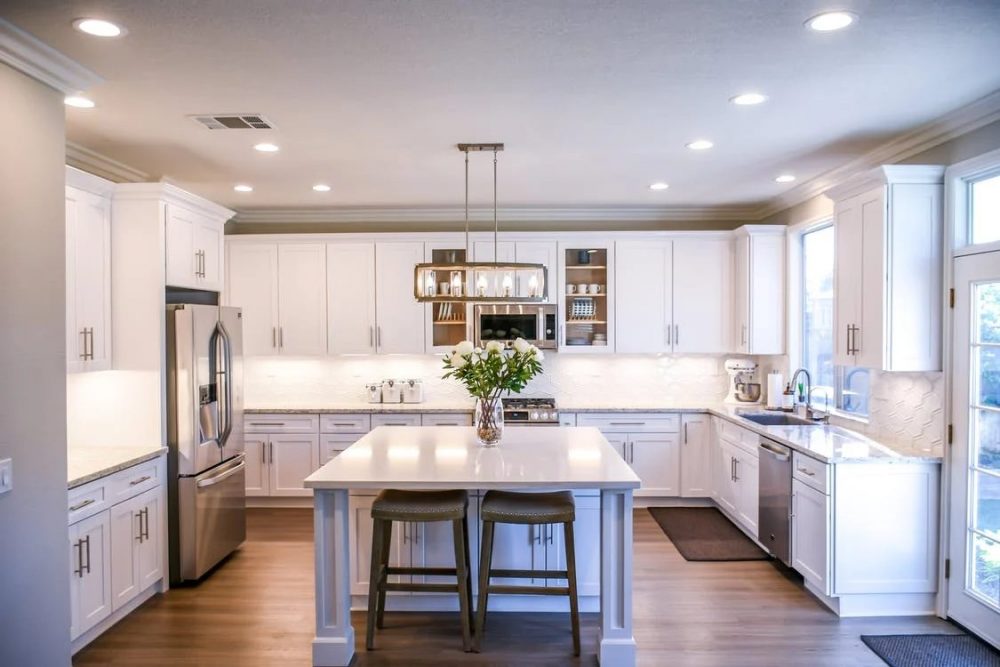
Slip-Ups to Avoid When Choosing a Splashback for Your Kitchen
This is a collaborative post
A kitchen splashback might seem like a small design detail, but it plays a major role in both the look and practicality of your space. From protecting your walls to tying together cabinetry, benchtops and appliances, the wrong choice can quickly become an everyday frustration. Whether you’re renovating or building new, avoiding common mistakes will help ensure your splashback enhances your kitchen rather than detracts from it.
Here are some of the most common slip-ups homeowners make—and how to avoid them.
Choosing Style Over Practicality
It’s easy to fall in love with bold colours, intricate patterns or textured finishes. However, if a splashback is difficult to clean or shows marks easily, it can quickly lose its appeal. Kitchens are high-use environments, exposed daily to heat, moisture, grease and food splatter. Before committing to a design inspired by the latest modern splashback ideas, consider how it will perform long-term. Smooth, non-porous surfaces such as glass or sealed stone are generally easier to maintain than heavily textured tiles or materials with deep grout lines.
Ignoring How it Works with Your Benchtop and Cabinetry
A common mistake is selecting a splashback in isolation. Even the most beautiful splashback can look out of place if it clashes with your benchtop, cabinetry or flooring. Instead, view your splashback as part of a broader design palette. Consider:
- Undertones in your benchtop material
- The finish of your cabinetry (matte, gloss, timber grain)
- Overall colour balance in the kitchen
Bringing samples together before making a final decision can help ensure a cohesive and timeless result.
Underestimating the Impact of Grout Lines
Tile splashbacks are popular, but grout can be a hidden downside. Light-coloured grout stains easily, while dark grout can fade or highlight uneven application over time. If you love the look of tiles, opt for:
- Larger-format tiles to reduce grout lines
- Epoxy grout for better stain resistance
- Slightly darker grout tones that are more forgiving
Alternatively, grout-free options such as glass or slab splashbacks can deliver a sleek look with far less upkeep.
Forgetting About Heat Resistance
Not all splashback materials perform well behind cooktops. This is a critical but often overlooked detail. Some materials may:
- Discolour over time
- Crack or warp with repeated heat exposure
- Require additional protection or spacing
Always check manufacturer recommendations and ensure your chosen material is suitable for use behind gas or electric cooktops.
Overdoing Bold Colours or Patterns
Trends come and go, but kitchens are a long-term investment. Extremely bold colours, busy patterns or novelty designs can date quickly—and are expensive to replace. If you’re drawn to statement splashbacks:
- Use them sparingly, such as in a feature zone
- Balance them with neutral cabinetry and benchtops
- Consider timeless colours with subtle texture or depth
This approach allows personality without sacrificing longevity.
Choosing the Wrong Finish
Gloss, matte and textured finishes all create very different effects. While high-gloss splashbacks can brighten a space and reflect light beautifully, they also show fingerprints and smudges more easily. Matte finishes hide marks better but may absorb light in smaller kitchens. Think about:
- Natural and artificial lighting in your kitchen
- How often the area will need cleaning
- Whether you prefer a crisp, reflective look or a softer finish
Not Considering Maintenance Long-Term
Some splashbacks look fantastic on installation day but require ongoing effort to keep them looking that way. If you want a low-maintenance kitchen, this should heavily influence your decision. Ask yourself:
- How often will I realistically clean this surface?
- Will stains, water marks or grease be noticeable?
- Does the material need resealing or special products?
Choosing a splashback that suits your lifestyle is just as important as choosing one that suits your style.
Skipping Professional Advice
Finally, one of the biggest slip-ups is not seeking expert guidance. Professionals can help you navigate material suitability, colour harmony, installation requirements and long-term performance—saving you costly mistakes down the track.
Ready to make the ideal splashback choice?
A well-chosen splashback elevates your kitchen, adding both visual impact and everyday practicality. By avoiding these common pitfalls—prioritising function, thinking long-term and ensuring design cohesion—you’ll create a kitchen that looks great and works beautifully for years to come.
You May Also Like
Pro Tips for Cleaning Glass Shower Enclosures

Stunning Summer Cocktails with Hayman’s Gin