Tips for Ensuring Your House is Child-Proof
This is a collaborative post
If you’re welcoming a new child into your house, or simply entertaining grandchildren from time to time, then it’s important to create a secure, safe environment for them. Let’s take a look at a few simple changes you might make around the home, which can drive down the risks involved.
Secure Furniture and Appliances
Certain items of furniture, like bookshelves, are notorious sources of risk. If your child should decide to climb on them, then they might risk the entire thing coming down on top of them. As such, these items of furniture should, wherever possible, be secured to the nearest wall. Some appliances, like ovens and fridges, might pose a risk if climbed on.
It’s also worth thinking about the sharp corners of countertops, glass tables, and door handles – especially when they’re at head height for your children.
Install Safety Gates and Window Locks
Staircases and windows pose a distinct kind of risk for curious children. They should be prioritised. Windows should be securely locked or restricted so that they can’t be opened enough for a child to get out of them. Staircases might be protected with the help of gates – though adult supervision might still be required when children are climbing up the stairs alone.
Eliminate Fire Hazards
The average home might contain a multitude of fire hazards. Gas hobs, barbeques, and fireplaces might all strike you as obvious. But other dangers are more subtle. If you have candles in the home, then these might be touched by a curious child. Or, worse, they might be upended – which can create a serious fire risk.
You can eliminate open flames of this kind with the help of electric alternatives. LED candles don’t create heat or smoke, but they still create a candle-like effect.
Store Hazardous Materials Safely
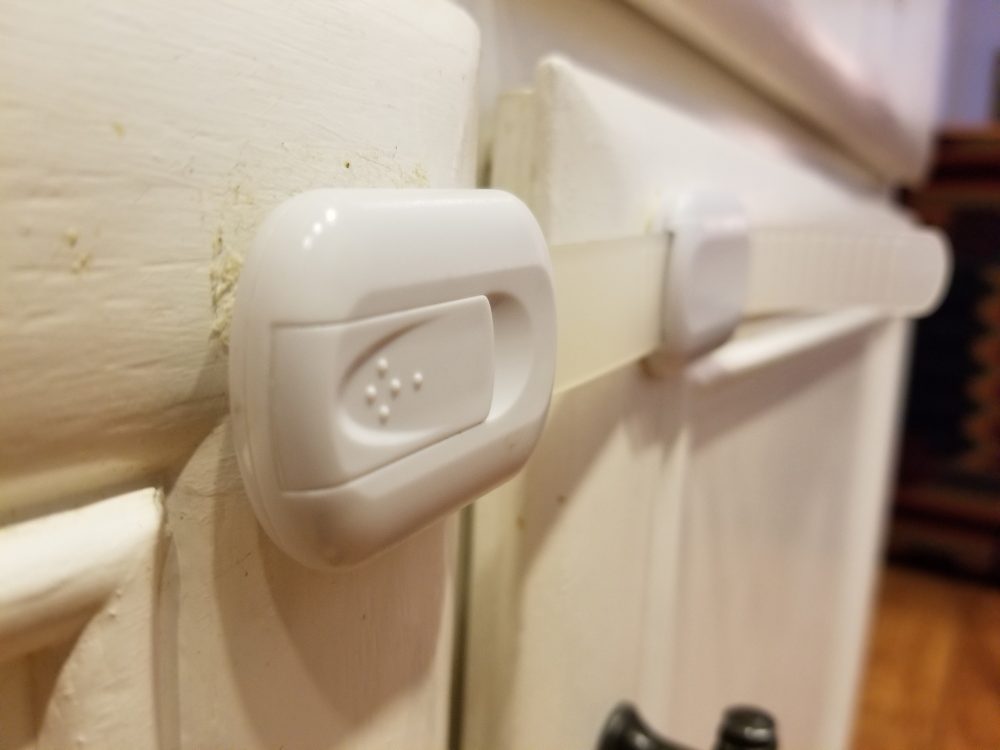
In your home, the chances are good that you have a number of bottles of highly poisonous materials. These might include drain cleaners, paint strippers, and weed killers. It’s vital that these materials are stored out of reach of small children. You might install locks on kitchen cabinet doors, or simply stash these substances in places where curious children can’t get to them. Garages, for example, are ideal.
While it’s difficult to create an entirely risk-free environment for your children, you can still, with the help of a few simple steps, significantly reduce the risk of truly disastrous outcomes.
You May Also Like

The Top Tips For Looking & Feeling Your Best

How To Budget For Your First Family Car