Why Is It So Hard to Lose Weight in Your 40s?
This is a collaborative post

Reaching your 40s is often a time of accomplishment and reflection, but for many, it also marks the beginning of a frustrating battle with weight gain. You may notice that the strategies that worked in your 20s and 30s—like cutting calories or ramping up exercise—no longer yield the same results. The stubborn pounds seem to accumulate, especially around the midsection, and losing them feels harder than ever. This experience is both common and deeply rooted in the biological, hormonal, and lifestyle changes that occur during this decade. This article explores the multifaceted reasons why losing weight in your 40s is so challenging, drawing on scientific research, expert insights, and practical advice to help you understand and overcome these obstacles.
The Biological Clock: How Aging Changes Your Body
Slower Metabolism
One of the most significant factors that make weight loss harder in your 40s is a natural decline in metabolism. As we age, our basal metabolic rate (BMR)—the number of calories our bodies burn at rest—gradually decreases. This slowdown means you burn fewer calories doing the same activities you did in your younger years. The reasons for this decline are complex but largely relate to changes in body composition, hormonal shifts, and reduced physical activity.
Loss of Muscle Mass
Muscle is metabolically active tissue, meaning it burns more calories than fat, even at rest. Starting in your 30s and accelerating in your 40s, you begin to lose muscle mass—a process known as sarcopenia. This loss can be as much as 3–8% per decade after the age of 30, and it speeds up after 40. Less muscle means a lower metabolic rate, making it easier to gain weight and harder to lose it.
Hormonal Changes
For women, the 40s often bring perimenopause—the transition to menopause—which can last several years. During this time, estrogen and progesterone levels fluctuate and eventually decline, leading to changes in fat distribution (more abdominal fat), increased appetite, and a tendency to store rather than burn calories. For men, testosterone levels begin to drop, which can also contribute to muscle loss and increased fat accumulation. Both sexes may experience increased insulin resistance, making it harder to process carbohydrates efficiently.
Lifestyle Factors That Work Against You
Busy Schedules and Less Time for Self-Care
Life in your 40s is often packed with responsibilities—career demands, raising children, caring for aging parents, and managing a household. With so many competing priorities, exercise and healthy eating can fall to the bottom of the list. Skipped workouts, quick convenience foods, and late-night snacking become more common, contributing to weight gain.
Increased Stress
The 40s can be a particularly stressful decade. Chronic stress triggers the release of cortisol, a hormone that not only increases appetite but also encourages the body to store fat, especially around the abdomen. High cortisol levels can also disrupt sleep, further compounding weight issues.
Sleep Disruptions
Quality sleep is essential for weight management, but many people in their 40s struggle with insomnia, sleep apnea, or simply not getting enough rest. Poor sleep affects hunger hormones (ghrelin and leptin), leading to increased appetite and cravings for high-calorie foods.
Social and Environmental Influences
Social gatherings, work events, and family celebrations often revolve around food and drink. As you move through your 40s, these occasions can become more frequent, making it harder to stick to healthy eating habits. Additionally, the environments we live and work in may not always support healthy choices, with easy access to processed foods and limited opportunities for physical activity.
The Role of Genetics and Set Point Theory
Genetic Predisposition
Genetics play a role in how and where your body stores fat, how quickly you gain or lose weight, and how your metabolism functions. While you can’t change your genes, understanding your genetic predisposition can help you set realistic goals and develop strategies that work for your unique body.
Set Point Theory
Some researchers believe that our bodies have a “set point”—a weight range that the body naturally tries to maintain. As you age, this set point may drift upward due to hormonal changes, lifestyle factors, and repeated cycles of dieting and weight regain. The body may resist weight loss by slowing metabolism and increasing hunger signals, making it feel like an uphill battle.
Medical Conditions and Medications
Thyroid Disorders
Hypothyroidism (underactive thyroid) becomes more common with age and can significantly slow metabolism, leading to weight gain and difficulty losing weight. Other symptoms include fatigue, dry skin, and hair loss.
Insulin Resistance and Type 2 Diabetes
Insulin resistance increases with age and is often exacerbated by weight gain, especially around the abdomen. This condition makes it harder for the body to process glucose, leading to higher blood sugar levels and increased fat storage.
Medications
Many medications commonly prescribed in your 40s—such as antidepressants, beta-blockers, and corticosteroids—can cause weight gain or make it harder to lose weight. Always consult with your healthcare provider if you suspect your medication is affecting your weight.
The Impact of Dieting History
Yo-Yo Dieting
Many people in their 40s have a long history of dieting, often cycling through periods of weight loss and regain (yo-yo dieting). This pattern can lower metabolism, increase fat storage, and make future weight loss attempts more difficult. Repeated dieting can also affect your relationship with food, leading to emotional eating or binge eating behaviors.
Restrictive Diets and Nutrient Deficiencies
Overly restrictive diets can lead to nutrient deficiencies, muscle loss, and a slower metabolism. They are also difficult to maintain long-term, often resulting in rebound weight gain once normal eating resumes.
Psychological Barriers
Motivation and Willpower
It can be harder to stay motivated in your 40s, especially if previous weight loss attempts have failed or if progress is slow. Willpower is a limited resource, and constant stress, fatigue, and competing priorities can drain your reserves.
Emotional Eating
Many people use food as a way to cope with stress, sadness, or boredom. Emotional eating can sabotage weight loss efforts, especially if high-calorie comfort foods become a regular part of your routine.
Body Image and Self-Compassion
Negative body image and self-criticism can undermine your efforts, leading to feelings of defeat and giving up. Practicing self-compassion and focusing on health rather than just the number on the scale can help you stay motivated and resilient.
The Science of Weight Loss in Your 40s
Calorie Needs Decrease
As you age, your body requires fewer calories to maintain its weight. This means that even if you eat the same amount as you did in your 20s or 30s, you may gain weight. To lose weight, you need to create a calorie deficit—either by eating less, moving more, or a combination of both.
Importance of Strength Training
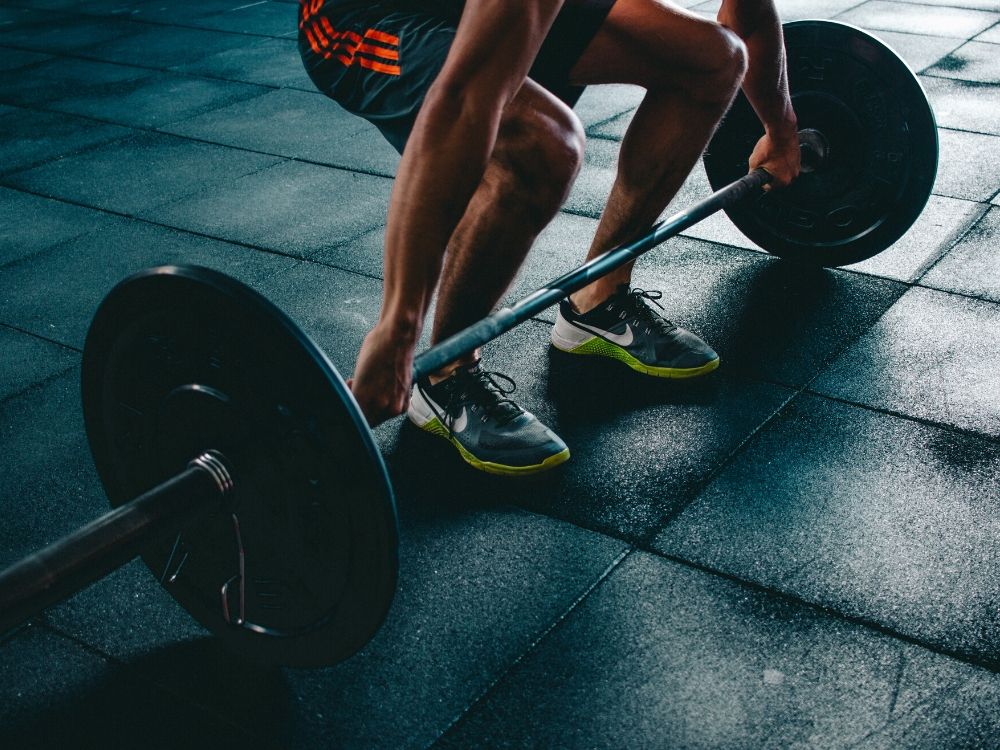
Strength training becomes increasingly important in your 40s to combat muscle loss, boost metabolism, and improve body composition. Building and maintaining muscle helps you burn more calories at rest and supports healthy aging.
Protein Intake
Protein is essential for preserving muscle mass during weight loss. Increasing your protein intake can help you feel fuller, reduce cravings, and support muscle repair and growth.
Managing Carbohydrates
As insulin resistance increases with age, it may be helpful to focus on complex carbohydrates (whole grains, legumes, vegetables) and limit refined carbs and added sugars. This can help stabilize blood sugar levels and reduce fat storage.
The Role of Healthy Fats
Healthy fats (such as those found in avocados, nuts, seeds, and olive oil) are important for hormone production, satiety, and overall health. Including moderate amounts of healthy fats can help you feel satisfied and avoid overeating.
Practical Strategies for Losing Weight in Your 40s
Set Realistic Goals
Aim for gradual, sustainable weight loss—about 0.5 to 1 kg (1–2 pounds) per week. Rapid weight loss is more likely to lead to muscle loss and rebound weight gain.
Prioritize Strength Training
Incorporate resistance exercises (such as weightlifting, bodyweight exercises, or resistance bands) at least two to three times per week to preserve muscle and boost metabolism.
Move More Throughout the Day
Find ways to increase your daily activity—take the stairs, walk during phone calls, or schedule regular movement breaks. Every bit of activity adds up and helps counteract a slowing metabolism.
Focus on Quality Nutrition
Choose whole, minimally processed foods, and aim for a balance of lean proteins, healthy fats, complex carbohydrates, and plenty of fruits and vegetables. Pay attention to portion sizes and avoid mindless snacking.
Manage Stress
Practice stress-reducing techniques such as mindfulness, meditation, deep breathing, yoga, or spending time in nature. Managing stress can help regulate cortisol levels and reduce emotional eating.
Prioritize Sleep
Aim for 7–9 hours of quality sleep per night. Establish a consistent sleep routine, limit screen time before bed, and create a restful environment to support better sleep.
Seek Support
Consider working with a registered dietitian, personal trainer, or support group to stay accountable and motivated. Social support can make a significant difference in your success.
Address Medical Issues
If you suspect a medical condition or medication is affecting your weight, consult with your healthcare provider for appropriate testing and management.
The Role of Mindset and Self-Compassion
Weight loss in your 40s is not just a physical journey—it’s a mental and emotional one as well. Cultivating a positive mindset, practicing self-compassion, and focusing on progress rather than perfection can help you stay resilient in the face of setbacks. Celebrate small victories, be patient with yourself, and remember that your worth is not defined by the number on the scale.
Conclusion
Losing weight in your 40s is undeniably more challenging than in earlier decades, but it is far from impossible. The combination of hormonal changes, a slower metabolism, muscle loss, increased stress, and busy lifestyles creates a perfect storm for weight gain and makes shedding pounds more difficult. However, understanding the underlying reasons can empower you to make informed choices and adopt strategies that work for your unique body and life circumstances.
By prioritizing strength training, focusing on quality nutrition, managing stress, getting enough sleep, and seeking support when needed, you can overcome the obstacles and achieve your health goals. Remember, the journey is about more than just weight loss—it’s about building a foundation for lifelong health, vitality, and self-confidence. Embrace the process, be kind to yourself, and celebrate every step forward on your path to wellness in your 40s and beyond.
You May Also Like
How customised personal training can benefit your life
GoFigure Meal Replacement Diet Plan