Domain Registration: Key to Online Presence
This is a collaborative post
Your domain name serves a much greater purpose than being just a web address. It serves as your digital identity, functioning as the very first signal that visitors receive about who you are, what you stand for, and what products or services you offer. For British entrepreneurs, freelancers, and small business owners who are eager to establish a meaningful presence on the internet, the process of choosing and registering the right domain remains one of the most consequential early decisions they will face. A good domain builds credibility and influences visitor decisions. Learning the full registration process saves you time and money.
The Real Impact of Your Domain Name on First Impressions and Visitor Trust
Why Your Web Address Sets the Tone Before Content Loads
Consider how often you judge a website before its homepage even appears. The domain name displayed in the browser bar immediately communicates professionalism, relevance, and authenticity. A crisp, memorable address like “brightonbakes.co.uk” tells visitors exactly what to expect, while a confusing string of numbers or misspellings raises doubts. British consumers tend to favour brands that signal local presence and clarity. If your domain feels trustworthy, visitors are more likely to stay, explore, and ultimately convert into customers. When you buy domain names that align closely with your brand message, you set a strong foundation for every future interaction online.
Building Credibility Through Consistency Across Platforms
Trust extends beyond your website to every place people encounter your brand. People come across your brand through social media, email signatures, and search engine results. A matching domain name, social handles, and business name create a consistent brand experience. This consistency reinforces recognition and makes your brand easier to find. Your domain serves as the central point connecting all your other digital presences. When someone recognizes your Instagram handle in a Google search result, they feel assured they have found the right place. That reassurance can determine whether you gain or lose clients.
Step-by-Step Guide to Registering a Domain That Reflects Your Brand Vision
Researching and Shortlisting the Perfect Name
Before choosing a domain, take time to brainstorm options that truly reflect your brand’s unique personality. Follow these practical steps as you narrow down your domain choices.
1. Write down five to ten keywords describing your business, mission, or niche.
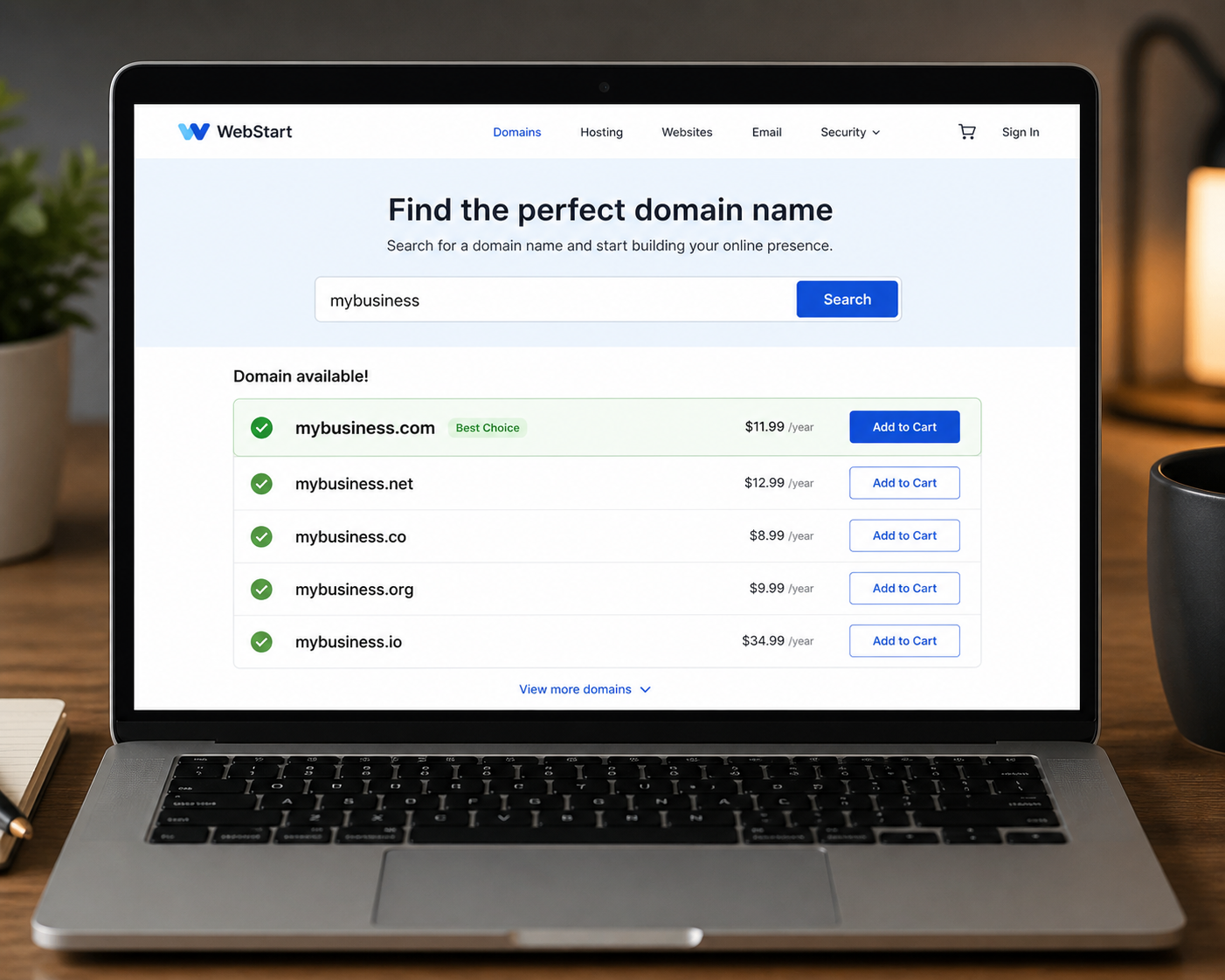
2. Combine keywords in various orders and check availability using a domain search tool.
3. Keep names brief—ideally under fifteen characters—for easy typing and recall.
4. Avoid hyphens and numbers, as they cause confusion when shared verbally.
5. Say each option aloud and ask others if they can spell it after one hearing.
This process helps you filter out names that look good on paper but fail in real-world usage. Much like supporting children’s learning with the right educational tools, choosing a domain benefits from careful thought rather than impulsive decisions.
Completing the Registration and Securing Your Details
The registration process is simple once you choose your domain name. Choose a trustworthy registrar, confirm the domain name is available, and then complete the checkout process. During the registration process, you will be prompted to provide your contact details, which become part of the publicly accessible WHOIS record associated with your domain name. Many registrars now offer privacy protection services that are specifically designed to keep your personal information, including your name, address, and phone number, hidden from public WHOIS databases, and this option is certainly worth considering if you want to safeguard your identity and improve your overall security posture. Register for at least two years to prevent accidental lapses. You should also enable the auto-renewal feature so that your domain does not accidentally expire during a period when you are preoccupied with the demands of running your business. These small but important precautions, which require minimal effort to implement during the initial setup process, can prevent significantly larger and more frustrating headaches from arising later down the road.
Common Domain Registration Mistakes and How to Sidestep Them
Even website owners who have considerable experience in managing online properties sometimes stumble and make avoidable mistakes during the domain registration process, which can lead to unexpected complications. Selecting a name too close to an existing brand is a common mistake that can cause legal issues or customer confusion. Before you finalise your choice of domain name, you should always run a quick trademark search to ensure that your selected name does not infringe upon any existing registered trademarks. Registering only one domain extension while ignoring related variants is a common mistake. If your primary domain is a .co.uk, you should also secure the .com version to stop others from exploiting your brand. Neglecting to update your contact information after a move or email change is another commonly missed problem. Outdated records may cause missed renewals and domain loss. Treat your domain registration details with the same care you would give any important business document.
How Pairing the Right Domain Extension With Your Niche Boosts Discoverability
The extension you choose – .co.uk, .com, .org, .shop, or one of hundreds of newer options – sends its own signals. A .co.uk extension immediately tells search engines and users that your business targets a british audience, which can improve local search rankings. Meanwhile, niche-specific extensions like .photography or .tech help communicate your area of expertise at a glance. Research published on the broader significance of maintaining a strong online presence highlights how even small branding choices compound over time to shape audience perception. Your extension is one such choice. It may seem minor, but when combined with a relevant keyword in the domain itself, it creates a memorable and searchable combination. For example, a freelance photographer based in Manchester benefits more from “janesmith.photography” than from a generic .info address that offers no contextual clues. Pair your extension strategically with your niche, and you give both search engines and visitors an immediate reason to trust your relevance.
Maintaining and Renewing Your Domain to Safeguard Long-Term Online Success
Registering a domain is only the starting point. Ongoing management determines whether that digital asset continues to serve you well. Mark renewal dates in your calendar even if auto-renewal is active, because payment failures can still occur if your card expires. Periodically review your DNS settings, especially after switching hosting providers or adding new services like custom email addresses. If your brand evolves, consider whether your current domain still reflects your direction. Sometimes a rebrand warrants a new address, but a well-managed redirect from the old domain preserves the search authority you have built over months or years. Just as monitoring your overall health with regular check-ups keeps you ahead of potential problems, routine domain audits catch issues before they affect your visitors’ experience. Keep your registration details current, your privacy settings active, and your renewal payments on track. These habits protect the digital presence you have worked hard to establish.
Your Next Move Towards a Stronger Digital Identity
A domain name serves as much more than just a technical requirement. It is the cornerstone of how the world perceives your brand online, shaping every interaction and impression that potential customers, partners, and visitors form when they encounter your digital presence across search engines, social media platforms, and direct web browsing. From the very first impression that a visitor forms when your name appears in a search result, to the deeper sense of trust that is gradually built through consistent and recognizable branding across every platform, every single aspect of your digital identity ultimately connects back to the specific address you choose to represent yourself online. Research carefully, register wisely, and maintain your domain name with consistent diligence. The effort you put in now will reward you for years, providing your business or project a strong foundation online. Your domain is your territory, so claim it with intention and thoughtful care.
Frequently Asked Questions
Where can I buy domain names from a reliable provider with competitive pricing?
When selecting a domain registrar, focus on providers that combine affordable pricing with strong security measures and responsive customer support. At fasthosts.co.uk, you can buy domain names with transparent pricing and comprehensive management tools. Look for registrars that offer domain privacy protection, easy DNS management, and clear renewal policies to avoid unexpected costs later.
How much should I budget annually for domain maintenance and renewal costs?
Domain costs vary significantly beyond the initial registration fee. Budget between 10-50 pounds annually for standard extensions, with premium domains potentially costing hundreds. Factor in privacy protection services (3-15 pounds yearly), DNS hosting if needed, and potential premium renewal rates that some registrars implement after the first year. Always check the renewal pricing before committing to avoid budget surprises.
How can I protect my domain from expiration and potential hijacking attempts?
Enable auto-renewal to prevent accidental expiration, but also set calendar reminders as a backup system. Use strong, unique passwords for your registrar account and enable two-factor authentication wherever possible. Consider registering similar domain variations to prevent competitors or bad actors from capitalizing on typos. Domain privacy services hide your personal information from public WHOIS databases, reducing spam and potential security risks.
What are the most common mistakes people make when choosing domain names for their business?
Businesses often pick domains that are too long, difficult to spell, or include hyphens and numbers that confuse customers. Another frequent error is choosing trendy words that may become dated quickly. Many also fail to check social media handle availability or trademark conflicts before registering. Avoid using abbreviations that your target audience might not understand, and resist the urge to stuff keywords unnaturally into your domain name.
Which domain extensions work best for different types of UK businesses and target audiences?
For UK-focused businesses, .co.uk extensions signal local presence and often rank better in British search results. .com remains ideal for international reach, while .org suits non-profits and community organizations. Newer extensions like .london or .uk can work for location-specific services. Avoid obscure extensions that might confuse customers or appear suspicious. Consider your customer demographics – older audiences tend to trust traditional extensions more than newer alternatives.
You May Also Like

How to Revitalise Your Home with Natural Enhancements

The most popular Car Electronics of 2020