
Six Ways to Tell Whether Audi Tyres Need a Repair or a Full Replacement
This is a collaborative post
Family life often means the car is part of the daily routine before we even think about it. The car gets used a lot, often without much fanfare – school runs, nursery drop-offs, food shopping, weekend activities, and the occasional longer trip to visit friends and family.
When you’ve got kids in the car, comfort and safety is even more important. A little vibration, a warning light, or a strange noise soon becomes something you notice on every journey. Tyres are one of those parts that are easy to forget about until something feels wrong, and when a problem appears, the first question is usually the same: does it need a repair, or a full replacement?
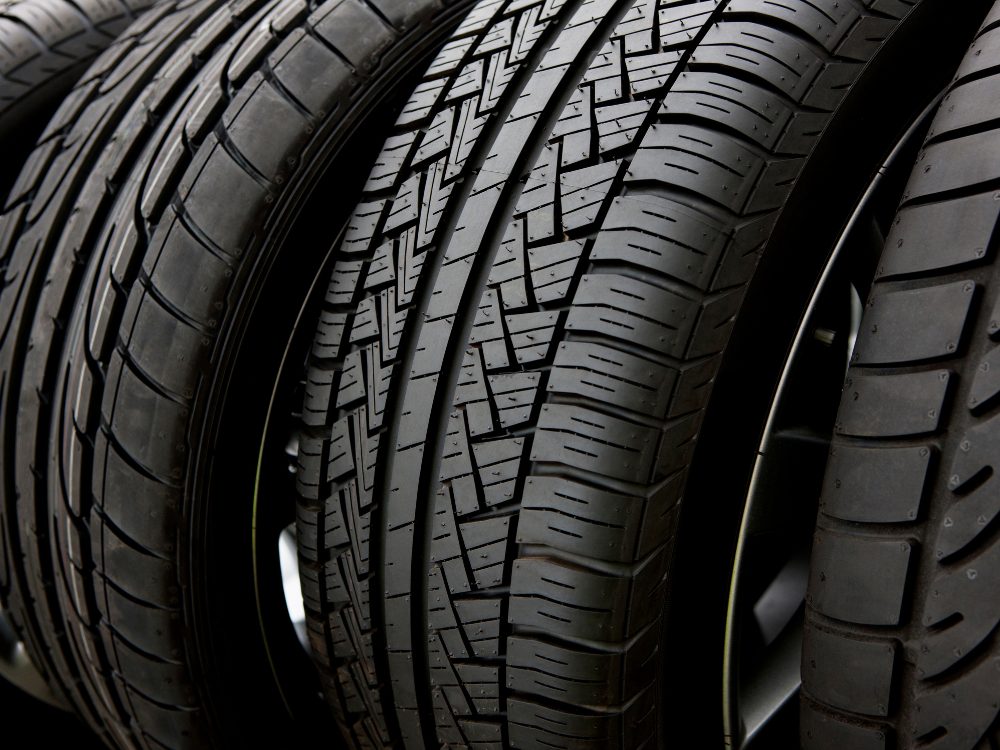
Here are six things worth looking out for.
1. Find Where the Damage Is
One of the biggest factors is the location of the damage. If a little puncture occurs in the central tread area it may be repairable, depending on the size and condition of the tyre. Damage on the sidewall, near the edge of the tread, or close to the shoulder almost always means a replacement – the sidewall flexes constantly during driving and patches simply won’t stay safely there. This is one of the most common reasons Audi tyres need replacing rather than repairing.
This is more relevant to family cars as they are often carrying extra weight; pushchairs, school bags, shopping, holiday luggage, which puts extra demand on the sidewall through cornering and uneven roads.
2. Check the Tread Depth
Tread depth directly impacts grip, particularly in wet weather, like on rainy school runs, autumn drives through wet leaves, or colder winter mornings. The UK legal minimum is 1.6mm, but many drivers replace their tyres before they reach that point because performance drops off noticeably as the tread wears down.
If your Audi tyres are already nearing limit, it often does not make sense to pay for a puncture repair, the tyre likely needs replacing soon anyway and a replacement now avoids paying for both.
3. Notice Any Repeated Loss of Pressure
A tyre that loses pressure once has sometimes just picked up a nail or screw, and that can often be repaired. But if the same tyre needs topping up every few days, something more significant is going on, possibly hidden damage, a dodgy valve, or a slow leak around the rim.
It’s a particularly frustrating one for busy parents, because it adds an unwelcome diversion to an already full week. If the pressure continues to drop, it needs a proper check, not another quick top-up. A fresh set of Audi tyres can help restore confidence and comfort during everyday travel – shop now at Magowan Tyres for quality tyre choices.
4. Pay Attention to Cracks, Bulges, or Ageing
Audi tyres don’t just only wear down from mileage; they also age, especially if the car is parked outside exposed to the changing weather. Small cracks may develop in the rubber over time, and a bulge in the sidewall is even more serious, usually indicating internal damage from hitting a pothole or kerb.
A bulge is not a small problem and should not be repaired, it indicates a structural problem that has replacement as the only safe option. A quick visual check now and then is worth it, especially before a longer trip.
5. Observe How the Car Feels to Drive
Sometimes the problem is not obvious, it’s in how the car drives. Signs of tyre problems include a vibration in the steering wheel, a slight pull to one side or a bumpier than usual ride, but the same symptoms can also be caused by a problem with the wheel alignment or balancing.
These are changes that are well worth investigating before taking a longer family trip. On a motorway trip with tired children in the back, it is not the time to discover the car isn’t driving quite right.
6. Consider Whether the Tyre Has Already Been Repaired
A previous repair affects what’s possible next time. If a tyre has been repaired, a further puncture may not be suitable, particularly if the new damage is close to the old patch, or if the tyre has already had multiple repairs over time.
Tyres have approved areas for repairs and limits on how many repairs they can carry safely. Once those limits are reached, replacement is the safer option regardless of the extent of the latest damage.
A repair is often a perfectly good solution when the damage is small, recent, and in a safe area. Replacement makes more sense when the tyre is worn, cracked, bulging, losing pressure repeatedly, or has already been repaired before. For families, it’s less about technicalities and more about feeling confident every time the kids are in the car, and a quick professional check is always the easier route to that than guessing.
You May Also Like

How to Choose a Reputable Juvederm Wholesale Supplier in the UK: What to Look For

5 Free Things to do this Half Term in Nottinghamshire