
The ‘Green Mind’: How Your Garden Can Be Your Year-Round Sanctuary
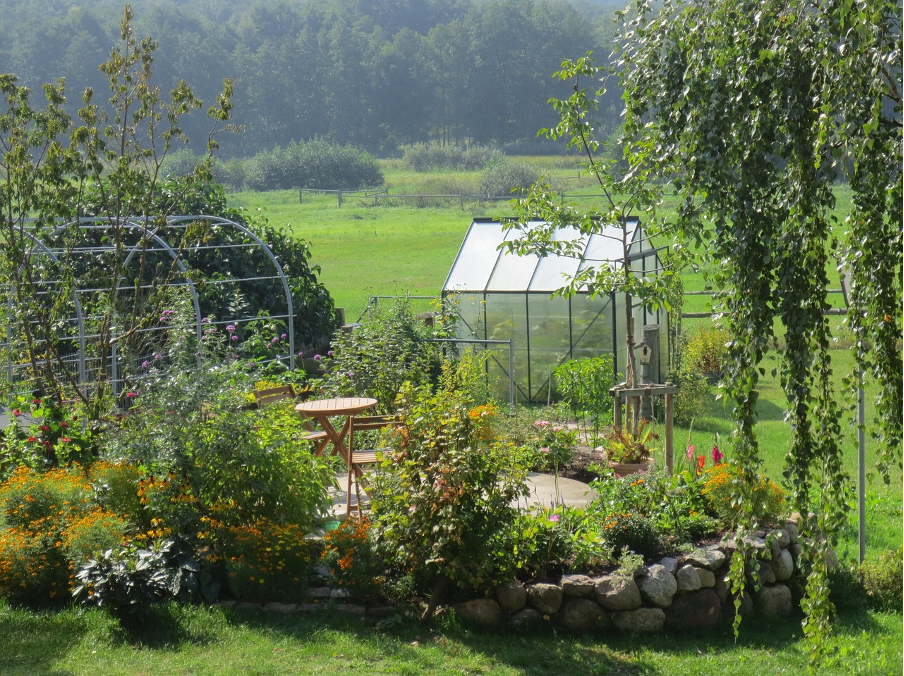
https://pixabay.com/photos/garden-greenhouse-allotment-garden-264910
Summary:
- Discover how gardening and “green-gazing” can significantly reduce stress and improve your mental wellbeing.
- Learn how to overcome the UK’s variable weather to create a 365-day connection with your outdoor space.
- Explore practical ways to extend your growing season and blur the lines between your home and your garden.
There’s a unique kind of restlessness that sets in for many of us in the UK. We’re bound by the whims of the weather, often spending months gazing through a window at a garden that feels just out of reach. We feel a deep, almost primal pull to be outside, to feel soil in our hands or simply sit under an open sky. This desire for a “green connection” is more than just a fleeting mood; it’s a fundamental part of our well-being.
We often think of connecting with nature as a grand event—a strenuous hike up a peak or a trip to a wild coastline. But what if the most profound connection is the one we can cultivate daily, just steps from our back door? It’s about creating a space where we can engage in active gardening or simply practice the mindful art of “green-gazing,” allowing our minds to rest on the quiet life of our garden, no matter the season.
Why Our Brains Need ‘Green Time’
The idea that nature is beneficial to us isn’t just a feeling; a growing body of scientific evidence supports it. Our brains are wired for green spaces. This concept, known as ‘biophilia’, suggests we have an innate human tendency to seek connections with nature. When we engage with it, the results are tangible. Studies have shown that even short periods spent in a garden can lower our heart rate, blood pressure, and levels of the stress hormone cortisol.
This isn’t just about passive viewing. The physical, tactile act of gardening—handling seedlings, pruning, weeding—focuses the mind in a way that’s often described as meditative. It pulls us out of our anxious ‘head-space’ and into the physical present.
The Royal Horticultural Society, a leading authority on the subject, actively promotes gardening for its health benefits, highlighting the proven advantages for both physical and mental well-being. As the RHS notes on its website, this “green therapy” is accessible to almost everyone, offering a vital counterbalance to our screen-filled, indoor lives.
Beyond the Fair-Weather Gardener: A 365-Day Connection
The single biggest barrier to this connection in the UK is, of course, the weather. It’s wonderful to be outside on a sunny June evening, but what about a wet, grey Tuesday in November? Our gardens don’t cease to exist in winter, but our access to them often does. This is where the idea of a year-round garden sanctuary truly comes into its own. It’s not about fighting the elements, but about cleverly working with them.
The goal is to create a sheltered ‘microclimate’. For gardeners, this means extending the seasons. A dedicated structure allows you to sow seeds weeks earlier, protect tender plants from the first frosts, and even grow crops that would otherwise be impossible in our climate. Modern greenhouses, for example, range from large glass structures to compact polycarbonate models, but they all serve the same purpose: they create a bubble of warmth and light. This protected space becomes more than just a place to grow plants; it becomes a place to be. Imagine sitting inside with a cup of tea, surrounded by green, listening to the rain patter on the roof—you are at once indoors and outdoors.
What Can You Do in a Year-Round Garden?
Creating this all-weather access opens up a host of new possibilities that deepen your connection to the cycle of the seasons. It transforms your garden from a 6-month hobby into a 12-month lifestyle.
Here are just a few ways to use a protected garden space:
- Grow All Year: You can cultivate hardy winter salads like mizuna and rocket, harvest herbs long after outdoor plants have died back, and get a head-start on spring by sowing broad beans and chillies in February.
- Establish a ‘Potting Sanctuary’: Dedicate a corner to the mindful, tactile work of potting on plants and sowing seeds. It’s a clean, dry, and bright space to get your hands dirty, even in a downpour.
- Overwinter Your Favourites: Provide a haven for tender plants like pelargoniums, citrus trees, or prized succulents that wouldn’t survive a cold, wet British winter.
- Create a Reading Nook: Place a comfortable chair inside, and you have the perfect quiet retreat. Being surrounded by plants while reading or working is incredibly calming.
Blurring the Lines: Bringing the Outside In
The final piece of the puzzle is to blur the boundaries between your home and your garden. If you can’t be in the garden, the next best thing is to feel as if you are. This is achieved by maximising natural light and framing the views of your outdoor space. The psychological benefit of light is immense, especially during the darker months.
Many modern home designs focus on this integration. For instance, extensions or kitchens fitted with Stratus lantern roofs can completely transform a living space. They pull light down from the sky, making the room feel larger, more open, and intrinsically connected to the world outside. This flood of natural light supports houseplants, brightens your mood, and turns your gaze outwards.
This same principle applies to other structures as well. Summerhouses, log cabins, or orangeries all serve this function. By investing in high-quality garden structures from specialists like elbec garden buildings, you are effectively creating new rooms that are neither fully indoors nor fully outdoors, but a perfect, usable space in between.
Your ‘Green Connection’ Action Plan
Connecting with the outdoors isn’t a single grand project; it’s a series of small, intentional acts.
- Start with One Thing: Buy a new houseplant. Put a bird feeder where you can see it. Sow a pot of herbs for your windowsill.
- Practice ‘Green Gazing’: Make a habit of taking five minutes each morning to just look out the window at a tree, the sky, or your garden. Notice the small changes.
- Plan for All Seasons: Think about what brings you joy in winter. Is it the scent of winter-flowering jasmine, the shape of a bare tree, or the promise of early bulbs?
- Create Your Shelter: Assess your space. Could a small cold frame, a lean-to greenhouse, or a simple covered patio give you that all-weather access you crave?
Ultimately, your garden is a sanctuary waiting to be used. It doesn’t demand grand gestures, just your quiet, consistent presence. By planning for all weathers, you can unlock its benefits and find that vital ‘green connection’ every single day of the year.
You May Also Like
Tips For A More Beautiful & Attractive Home

Regulation of Estate Agent Advertising: Staying Within the Law