
The Ultimate Guide to Choosing the Right Furniture for Your Space
This is a collaborative post
Furnishing a home, whether it’s your first apartment or a lifelong dream dwelling, is about more than just filling empty rooms. It’s an art form that blends functionality, aesthetics, and personal expression to create spaces that are both beautiful and livable. Choosing the right furniture is a crucial step in this process, and it can feel overwhelming given the myriad of styles, materials, and sizes available.
This ultimate guide will break down the essential considerations, helping you make informed decisions that transform your house into a truly personalised and comfortable home.
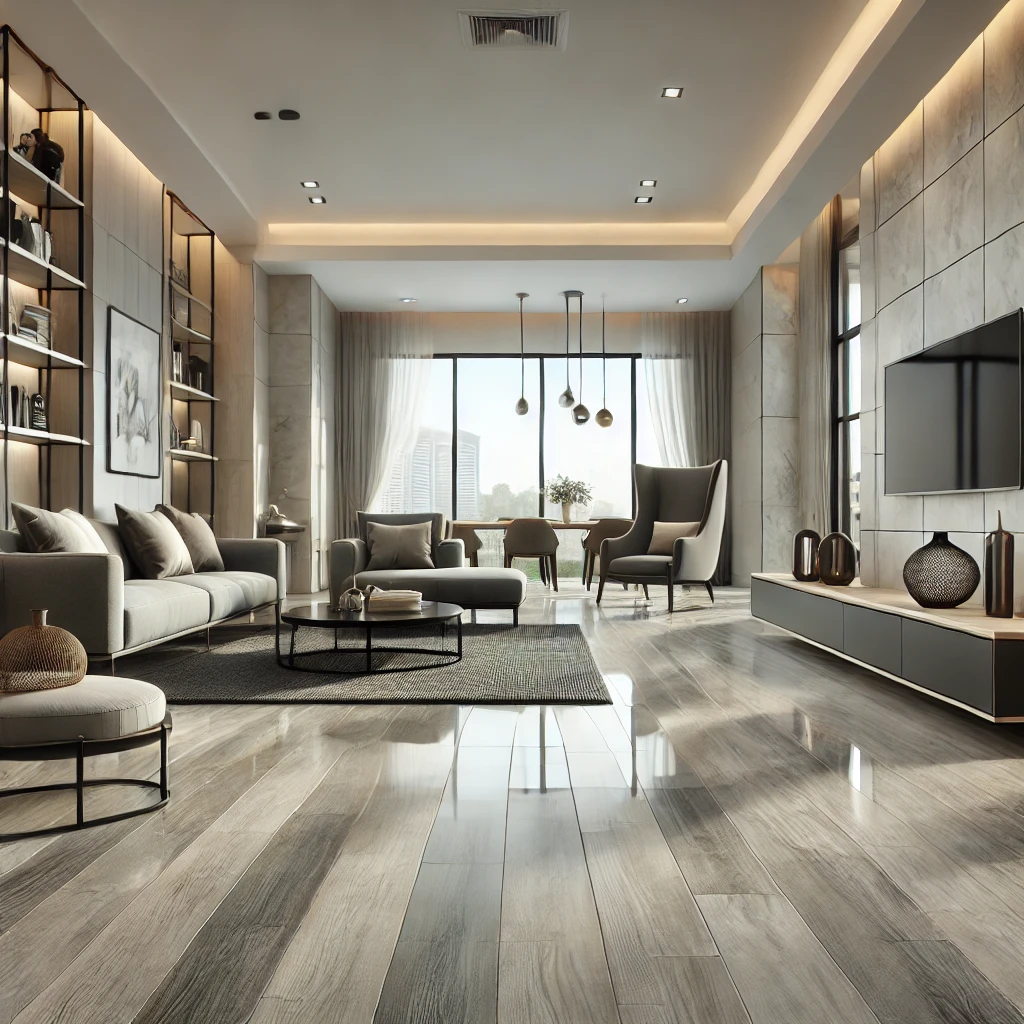
1. Define Your Needs and Lifestyle
Before you even begin Browse, take a step back and consider who lives in your home and how you use each space.
- Who lives here? Are you furnishing a bachelor pad, a family home with young children, or a retirement haven? This will influence durability, safety, and material choices. For example, a family with pets might shy away from delicate fabrics or easily scratched surfaces.
- How do you use the space? Is your living room primarily for entertaining, or is it a cozy nook for reading and watching movies? Does your dining table double as a workspace? Understanding the primary function of each room will dictate the type and quantity of furniture you need.
- What’s your lifestyle? Are you a minimalist who values clean lines and open spaces, or do you prefer a more eclectic, layered look? Do you entertain frequently? Do you need ample storage? Your daily routines and preferences should heavily influence your selections.
2. Measure, Measure, Measure (and Plan)
This is perhaps the most critical step and often the most overlooked. Eyeballing a piece in a showroom is a recipe for disaster when it arrives and dwarfs your room or can’t fit through the doorway.
- Room Dimensions: Accurately measure the length, width, and height of each room. Note the location of windows, doors, electrical outlets, heating vents, and built-in features.
- Furniture Dimensions: Always check the dimensions of any furniture piece you’re considering – not just its overall size, but also individual components like seat depth for sofas, or drawer dimensions for dressers.
- Traffic Flow: Map out how people will move through the room. Leave enough space (ideally 30-36 inches) for pathways between furniture. Avoid blocking doorways or creating awkward bottlenecks.
- Doorways and Hallways: Don’t forget to measure your doorways, hallways, and stairwells to ensure the furniture can actually be moved into the room. This is especially vital for large items like sofas and bed frames.
- Create a Floor Plan: Use graph paper or an online room planner tool to draw your room to scale. Then, draw in potential furniture pieces to experiment with different layouts before you buy. This visual planning can save you significant headaches.
3. Determine Your Budget
Furniture is an investment, and prices can vary wildly. Setting a realistic budget from the outset will help narrow your options and prevent overspending.
- Prioritize: Decide which pieces are most important and allocate a larger portion of your budget to them (e.g., a comfortable sofa, a quality mattress).
- Quality vs. Quantity: Sometimes, it’s better to invest in fewer, higher-quality pieces that will last, rather than filling a space with cheap, temporary solutions.
- Shop Smart: Look for sales, consider buying during off-seasons, and don’t rule out second-hand or refurbished pieces for unique finds and cost savings.
4. Choose a Style and Theme
Your furniture should reflect a cohesive aesthetic that resonates with you. While you don’t have to stick to one rigid style, understanding the basics can guide your choices.
- Modern/Contemporary: Clean lines, minimal ornamentation, often features metal, glass, and neutral colours.
- Traditional: Ornate details, rich woods, classic silhouettes, often features upholstery with intricate patterns.
- Mid-Century Modern: Organic shapes, tapered legs, often wood and sometimes bright pops of color.
- Industrial: Raw materials like exposed metal, concrete, and reclaimed wood; utilitarian design.
- Bohemian: Eclectic mix of patterns, textures, and global influences; often incorporates natural materials.
- Scandinavian: Simplicity, functionality, light woods, neutral palettes, and natural light.
- Rustic/Farmhouse: Distressed wood, natural textures, comfortable and informal.
You can mix styles, but aim for a common thread – perhaps a consistent color palette, a recurring material, or a similar level of formality – to ensure visual harmony.
5. Consider Material and Durability
The material of your furniture impacts its look, feel, durability, and maintenance requirements.
- Wood: Solid wood (oak, maple, cherry) is durable but expensive. Veneer and particle board are more affordable but less robust.
- Metal: Steel, iron, and aluminum offer durability and a sleek, modern look.
- Upholstery: Fabric choices range from durable cotton and linen to luxurious velvet and practical microfiber. Leather is long-lasting but can be costly. Consider performance fabrics for high-traffic areas or homes with children/pets.
- Glass: Adds lightness and modernity but requires more frequent cleaning and can be fragile.
- Stone/Marble: Elegant and durable for surfaces but heavy and can be prone to etching or staining.
Think about the climate as well; for instance, in hotter climates like Faisalabad, breathable fabrics and materials that don’t retain too much heat might be preferred over heavy, dark upholstery.
6. Comfort and Ergonomics
A beautiful piece of furniture that’s uncomfortable is a poor investment. Always prioritize comfort, especially for items like sofas, chairs, and beds.
- Test It Out: Sit on sofas and chairs, lie on beds. How does it feel? Does it support your back? Is the depth right for your legs?
- Ergonomics: For desks and office chairs, ensure they support good posture and are adjustable to your body.
- Functionality: Does the piece serve its intended purpose effectively? Does a dining table provide enough seating? Does a wardrobe offer sufficient hanging and drawer space?
7. Storage and Versatility
In many homes, maximizing space is crucial. Look for furniture that offers clever storage solutions or serves multiple purposes.
- Ottomans with Storage: Perfect for blankets or magazines.
- Sofa Beds: Ideal for guest rooms or small apartments.
- Nesting Tables: Provide flexibility and save space.
- Bookcases with Doors: Combine open display with hidden storage.
- Modular Furniture: Can be rearranged to suit different needs or room layouts.
By meticulously considering these factors – your needs, measurements, budget, style, materials, comfort, and versatility – you’ll be well-equipped to select furniture that not only looks stunning but also functions perfectly, creating a home that truly feels like your own. Remember, the goal is to build a cohesive and comfortable environment that enhances your daily life.
You May Also Like

Mia’s First 2 Weeks At Home With Us

Essential Beauty Products for Glowy Summer Skin