
Why Motorhome Holidays Are Becoming the Perfect Family Escape
This is a collaborative post
Introduction
Motorhome holidays are travel experiences where transportation and accommodation are combined in one vehicle. A motorhome holiday allows families to travel freely while keeping their living space with them.
In recent years, this type of travel has become increasingly popular. Rising hotel prices, crowded airports, and rigid travel schedules have pushed many families to search for more flexible ways to explore.
A motorhome removes many of the logistical stresses of traditional travel.
Instead of packing bags multiple times, checking into hotels, and planning every meal around restaurants, families can bring their essentials with them and move at their own pace.
The result is a holiday that feels less rushed and more personal.
Motorhome travel allows parents and children to experience the journey together, turning the road itself into part of the adventure.
In this guide, you will learn what motorhome holidays are, why families increasingly choose them, what types of vehicles work best, and how to plan a successful trip.
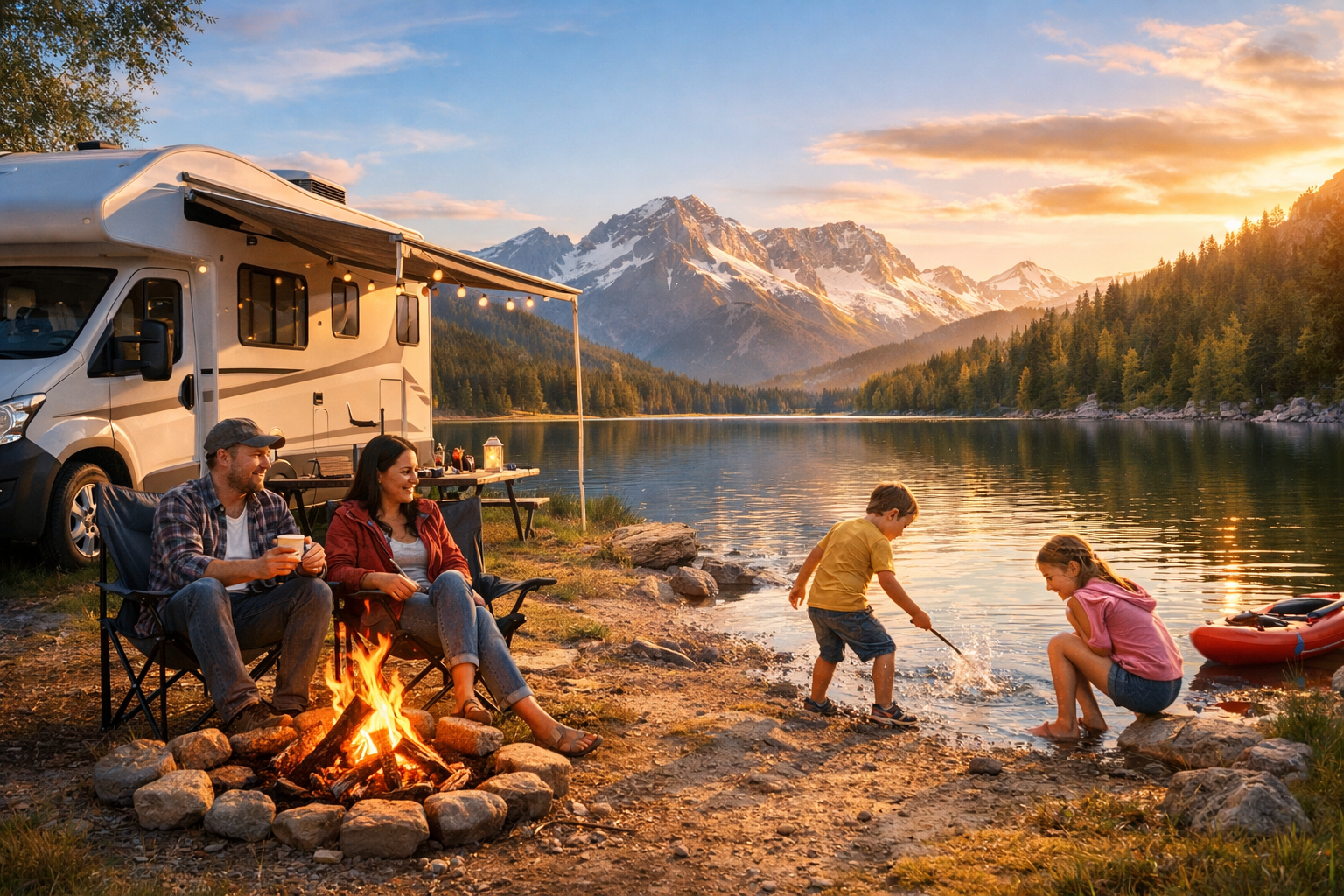
What Is a Motorhome Holiday?
A motorhome holiday is a type of travel where a recreational vehicle provides both transportation and living accommodation. The motorhome functions as a mobile home with sleeping areas, cooking facilities, storage space, and sometimes bathroom amenities.
Unlike traditional holidays, where transport and lodging are separate, a motorhome brings everything together in one space. Families can sleep, cook, relax, and travel without having to change locations multiple times.
This setup simplifies many aspects of family travel.
Parents can keep snacks, clothing, and entertainment items easily accessible.
Children can relax in a familiar space rather than constantly adjusting to new hotel rooms.
And when plans change, the vehicle simply moves to the next destination.
For many families, this combination of mobility and comfort is the core reason motorhome holidays feel easier and more enjoyable.
Why Are Motorhome Holidays Becoming So Popular With Families?
Motorhome holidays are becoming popular with families because they offer flexibility, independence, and a more relaxed travel pace. That simple combination explains the growing demand.
Modern families often juggle busy schedules, and traditional holidays can sometimes add stress rather than reduce it. Flights have strict schedules, hotels have fixed check-in times, and popular destinations can become overcrowded.
Motorhome travel offers a different experience.
Families can change their plans at any moment.
If a beach is crowded or the weather turns bad, the motorhome simply moves to another location.
That flexibility creates a more adaptable and enjoyable holiday experience.
Many families also appreciate the sense of freedom that comes from travelling independently.
Instead of following a rigid itinerary, they can explore new towns, scenic roads, and countryside destinations on their own terms.
What Are the Main Benefits of Motorhome Holidays for Families?
Motorhome holidays offer flexibility, affordability, and stronger family bonding. These advantages explain why many parents prefer this travel style after trying it once.
Unlike traditional trips where schedules dictate the experience, motorhome travel allows the journey to evolve naturally. Families can extend stays in favourite locations or move quickly through places that feel less interesting.
The six main advantages of motorhome holidays are:
- Save money on accommodation by combining travel and lodging into one cost rather than paying separately for hotels.
- Travel with flexibility because routes and schedules can change easily during the trip.
- Strengthen family time by sharing a single living space that encourages conversation and cooperation.
- Explore multiple destinations without having to repeatedly pack and unpack bags or check into new accommodations.
- Enjoy outdoor environments such as national parks, coastal areas, and countryside campsites.
- Reduce travel stress by keeping food, clothes, and entertainment close at hand throughout the journey.
What Types of Motorhomes Are Best for Family Travel?
Motorhomes are recreational vehicles designed in different layouts and sizes to suit varying travel needs. For family holidays, the right type of motorhome determines comfort, storage space, and sleeping arrangements.
Smaller vehicles offer better driving convenience while larger models provide more interior comfort. Families usually choose between campervans, coachbuilt motorhomes, and larger A-Class vehicles depending on their travel style.
Campervans
Campervans are compact motorhomes built on a van chassis and designed for easy driving and mobility. These vehicles are ideal for small families who want flexibility and shorter travel breaks.
Their size makes them easier to park and navigate through towns and narrow roads.
However, the interior space is more limited than in larger motorhomes.
Campervans work best for weekend trips or families who prefer minimal setups.
Coachbuilt Motorhomes
Coachbuilt motorhomes are vehicles with a custom living body attached to a commercial van chassis. They are among the most popular options for family travel because they balance space and practicality.
Many families exploring used motorhomes consider coachbuilt layouts because they offer separate sleeping areas and better storage.
This additional space makes longer journeys more comfortable for parents and children alike.
A-Class Motorhomes
A-Class motorhomes are integrated vehicles in which the driving cab and living space are built as a single unit. These vehicles usually offer the most interior space and comfort.
Families often choose them for longer trips because they offer larger beds, more storage, and more room to move around inside the vehicle.
However, they are also the largest and most expensive motorhome category.
Motorhome Holidays vs Traditional Hotel Holidays
Motorhome holidays provide greater travel freedom, while hotel holidays provide fixed accommodation comfort. The difference lies in flexibility versus structure.
Hotel holidays usually centre around one destination.
Motorhome holidays focus on the journey itself.
Families staying in hotels must organise their own transport, meals, and entertainment. In a motorhome, those elements remain integrated.
| Factor | Motorhome Holiday | Hotel Holiday |
| Flexibility | High | Limited |
| Travel style | Journey-based | Destination-based |
| Privacy | Family-controlled | Shared building |
| Costs | Combined travel and lodging | Separate expenses |
How to Plan a Family Motorhome Holiday
Planning a motorhome holiday involves preparing the vehicle, mapping the route, and organising daily travel logistics. Good preparation makes the trip far more enjoyable.
Families should focus on vehicle suitability, route planning, campsite availability, and travel safety.
The six main planning steps include:
- Choose the right motorhome that matches family size and sleeping requirements.
- Plan a flexible route with manageable driving distances between stops.
- Reserve campsites early during busy travel seasons.
- Pack essential supplies, including bedding, cookware, and outdoor equipment.
- Plan activities for children to keep them engaged during travel days.
- Review travel regulations and road safety requirements before departure.
What Should Families Pack for a Motorhome Holiday?
Families should pack a balanced set of essentials that support comfort, cooking, safety, and entertainment during the trip. Packing correctly ensures the motorhome remains organised and practical.
Space inside a motorhome is limited, so each item should serve a clear purpose.
Families should prioritise multi-use equipment and compact storage solutions.
Key packing items include:
- Bedding and seasonal clothing
- Cooking utensils and food containers
- Basic groceries and snacks
- Travel games and entertainment for children
- Outdoor chairs or picnic equipment
- Toiletries and cleaning supplies
- First aid kits and emergency items
What Are the Costs of a Family Motorhome Holiday?
The cost of a motorhome holiday depends on vehicle ownership, travel distance, campsite fees, and fuel consumption. Renting a motorhome for a weekend can cost several hundred pounds, while longer peak-season trips may exceed £1,000.
Families who purchase their own vehicle often evaluate long-term value before making the decision. Understanding resale value can be helpful, and guides such as this motorhome valuation guide explain how condition, age, and demand influence pricing.
The main cost factors include:
- Vehicle purchase or rental price
- Fuel consumption during travel
- Campsite accommodation fees
- Food and travel supplies
- Insurance and vehicle maintenance
Where Are the Best Places for a Family Motorhome Holiday?
The best motorhome holiday destinations combine scenic landscapes, accessible roads, and family-friendly campsites. Locations that balance adventure with convenience tend to work best for travelling families.
In the UK and Europe, several destination types stand out.
Popular motorhome travel locations include:
- National parks with hiking trails and natural scenery
- Coastal routes offering beaches and seaside towns
- Countryside villages are known for calm environments and local culture.
- European road trips connecting multiple countries
- Mountain destinations providing outdoor adventure activities
- Family holiday parks with facilities for children
What Are the Common Challenges of Motorhome Travel?
Motorhome travel has a few challenges related to driving, planning, and space management. These limitations are manageable but should be considered before starting a trip.
The most common challenges include:
- Require confidence when driving larger vehicles.
- Demand campsite planning during peak travel seasons
- Limit interior space compared with hotel rooms.
- Increase fuel costs for long road trips.
- Depend on basic knowledge of motorhome systems.
Are Motorhome Holidays Right for Your Family?
Motorhome holidays are ideal for families who value flexibility, independence, and shared experiences on the road. That lifestyle appeals to households who enjoy exploring new places while maintaining a sense of familiarity.
Families who prefer structured luxury or minimal travel planning may still favour hotels.
However, those who enjoy adventure and adaptable itineraries often find motorhome travel far more rewarding.
A motorhome does more than transport travellers.
It becomes a living space that supports family connection, exploration, and spontaneous discovery.
Conclusion
Motorhome holidays have become one of the most appealing travel options for families seeking flexibility and adventure. By combining transport and accommodation into one vehicle, they simplify many of the logistical challenges of traditional holidays.
Families gain the freedom to explore multiple destinations, travel at their own pace, and spend more time together.
From compact campervans to spacious motorhomes designed for longer journeys, there is a vehicle style that fits nearly every travel preference.
For parents looking to replace stressful travel schedules with memorable road adventures, motorhome holidays provide a practical and exciting alternative.
You May Also Like

Stress: What It Does And How To Address It
Our Daily Morning School Run Routine