
Easy, Low-Maintenance Garden Upgrades For Busy Homeowners
This is a collaborative post
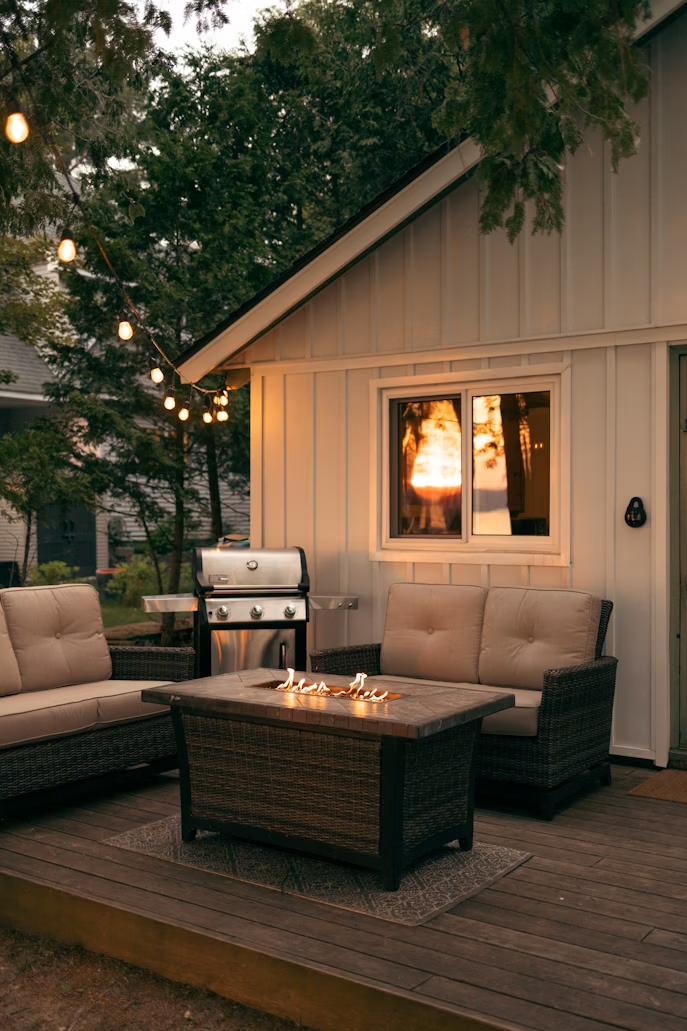
If you’re a busy homeowner, the last thing you want to bring about is doing lots of work in your garden. Of course, if you have an outside area to manage, it can take up your time, especially at the weekends. Often it eats into the periods when you want to be socialising with friends or spending time with family; it’s not ideal.
Fortunately, this guide is here to help. We take a look at some of the easiest, lowest-maintenance garden upgrades and changes you can make to help you enjoy your outdoor spaces more without them turning into a time sink.
Add mulch to your beds
It’s a super simple and easy upgrade, but adding mulch to your beds is one of the highest-leverage things you can do. Mulching prevents weeds from growing up and saves you hours of time trying to control which plants grow where. All you need to do is install the plants that you want already grown and then put mulch around them. This will prevent any new plants from springing up, even if there are seeds already in the soil.
Install a drip irrigation system
If you’re feeling high tech, you might also want to look into installing a drip irrigation system. These essentially work automatically to optimize the amount of moisture in the soil and your plant’s access to water. Depending on how advanced your system is and whether you’re using sensors, all you need to do is set it up once and then forget about it. Soil sensors determine the level of moisture in the ground and then turn on the sprinklers when needed. The rest of the time, the irrigation system is off. What’s more, the smart irrigation systems react to weather patterns; they only switch on if it hasn’t rained for a while.
Use composite decking
Repainting wood decking every 12 to 18 months is a real chore; however, it’s something that has to be done if you want to keep your deck in good condition. Consequently, many home owners are now opting for composite decking. It’s mixed with synthetic elements that mean that it can survive outdoors without treatment. It’s not prone to rot or termite infestation, and it doesn’t require repainting every couple of years. Instead, it sits outside, resists UV rays, and simply does what you want it to do without you having to commit time to it.
Swap in native perennials
Finally, you might want to look into adding drought-resistant and native perennial plants to your garden. These can look great but hardly require any work in that sense. They’re a bit like trees; they just keep on going year after year. They’re massive and offer dramatically lower work requirements than flowers and bulbs like daffodils. Once established, perennials will come up every season. They don’t need water, fertilizing, or pruning; instead, they manage their own resources by themselves.
So which of these easy, low-maintenance, low-effort garden modifications are you going to make on your property?
You May Also Like

How to Become a More Generous Person

Effective Email Marketing for Bloggers