
The Bathroom Chore That Keeps Coming Back After Every Shower
This is a collaborative post
Everyone’s had their morning shower, and there’s another little puddle on the bathroom floor, just outside the shower screen. It’s easy enough to wipe up with a towel. But there it is again the next morning.
After a while, you might leave an extra bath mat by the shower or get into the habit of wiping the floor after every use. If the water keeps appearing in the same spot, though, it might be worth checking the shower screen itself.
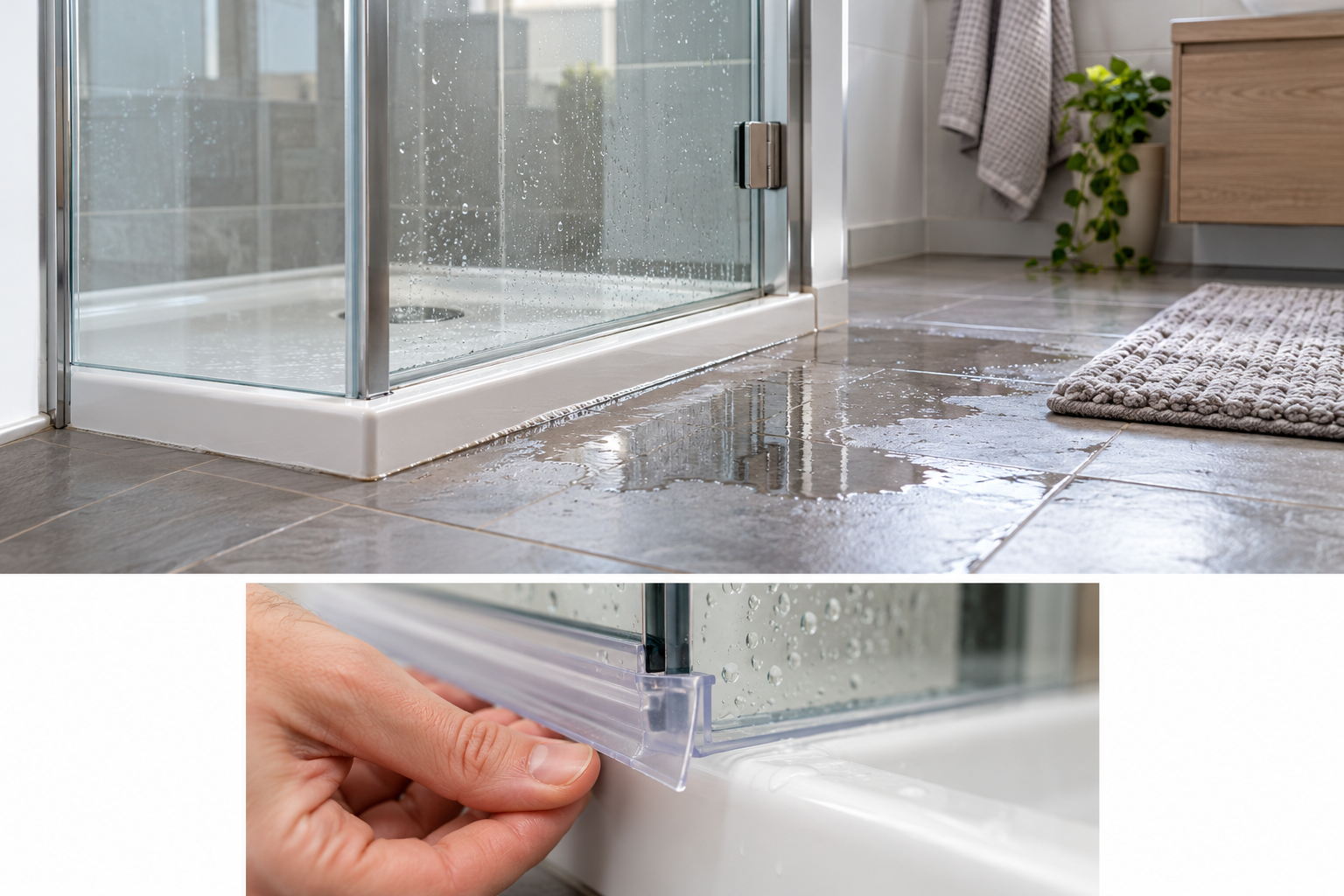
Follow the Water, Not Just the Puddle
The wettest patch on the floor isn’t always where the water first escaped.
Sometimes water runs down the side of the glass door before dripping onto the floor near the hinges. It might look as though the corner is leaking, when the problem is actually with the vertical seal.
To work out where it’s coming from, dry the floor outside the shower, the bottom edge of the glass and the surrounding joints. Then, during a normal shower, look for where the water first appears. Is it running down the side of the door or escaping underneath? Could it be seeping out from beneath the track along the shower tray?
If the water is coming from under the glass, check the bottom seal. If it’s running down the side, look at the vertical seal. Water seeping from beneath the track is a different problem, and replacing a seal on the door is unlikely to fix it.
When the Seal Looks Fine but Still Leaks
That clear or slightly cloudy strip along the bottom of a shower door is easy to overlook. Most people only think about replacing it once it starts to yellow or crack.
But sometimes the trouble starts with a brand-new seal.
Say you’ve found a replacement in a shop that looks much like the old one. The packaging says it’s suitable for 6mm glass, so it seems like the right choice.
Once it’s fitted, though, you discover that the gap beneath your shower door is too small. The soft fin gets badly bent against the shower tray, making the door noticeably harder to open. The seal might even come loose every time you move it.
Glass thickness is only part of the fit. The gap beneath the door matters too.
With the door closed, take a look at how the fin sits against the shower tray. A slight bend is normal, but if part of it is badly folded, twisted or not touching the tray at all, it’s worth checking the measurements again.
Finding a Replacement That Actually Fits
If you can, keep a short piece of the old seal after removing it. Measure the glass thickness and the gap beneath the door, then compare the shape of the old seal’s cross-section. Does it clip directly onto the glass, or fit into a track along the bottom? Those details can make all the difference when choosing a replacement.
SIMBA Seals UK manufactures seals and also supplies replacement shower screen seals in a range of sizes and profiles to UK customers. If you’re unsure which type you need, you can send their customer service team photos of your shower door and old seal for help choosing a suitable replacement.
Once the new seal is fitted, open and close the door a few times. Check that it moves without excessive resistance and that the fin isn’t being crushed or folded over. Then see whether water still escapes during a normal shower.
If you’re still finding water on the floor, there may be something else to investigate. A loose shower door or a problem with the joints around the wall or shower tray won’t necessarily be fixed by replacing a seal. In those cases, it may be worth getting a professional to take a look.
You May Also Like
Pro Tips for Cleaning Glass Shower Enclosures

Great Ways to Keep Your House Clean with WizMops!
